

The Magazine

The Magazine
Health systems around the world are facing mounting pressure. From long waiting times to overburdened hospitals, improving people’s understanding and confidence in managing their everyday health is critical in relieving pressure on public healthcare systems, keeping people in work and preventing more serious illness.
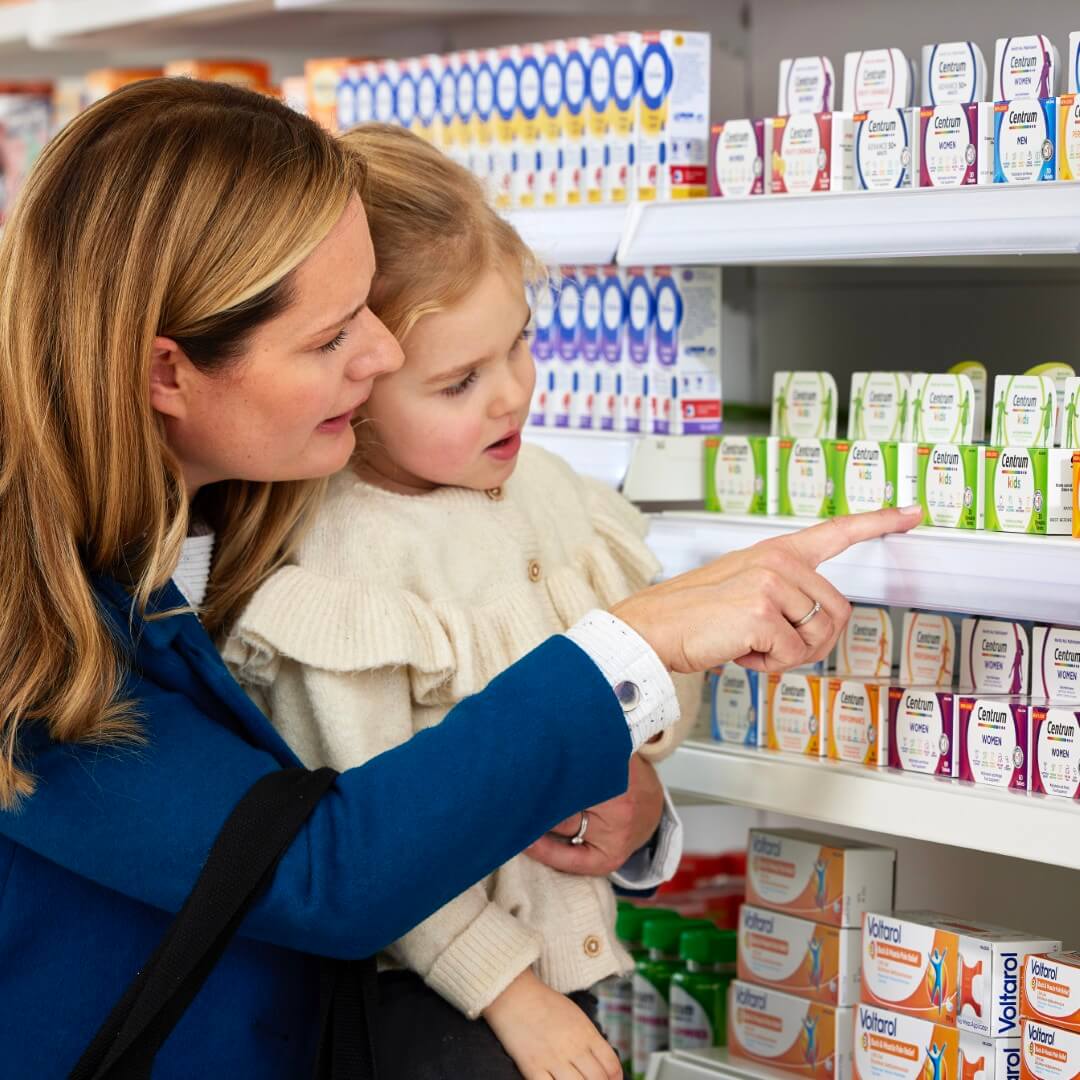
As a global consumer company specialising in better everyday health, Haleon empowers people to take control of their everyday health through trusted brands including Sensodyne, Centrum and Panadol. In a connected ecosystem of consumers, healthcare professionals, policymakers and industry leaders, collaborating for impact is key to shaping a healthier future.
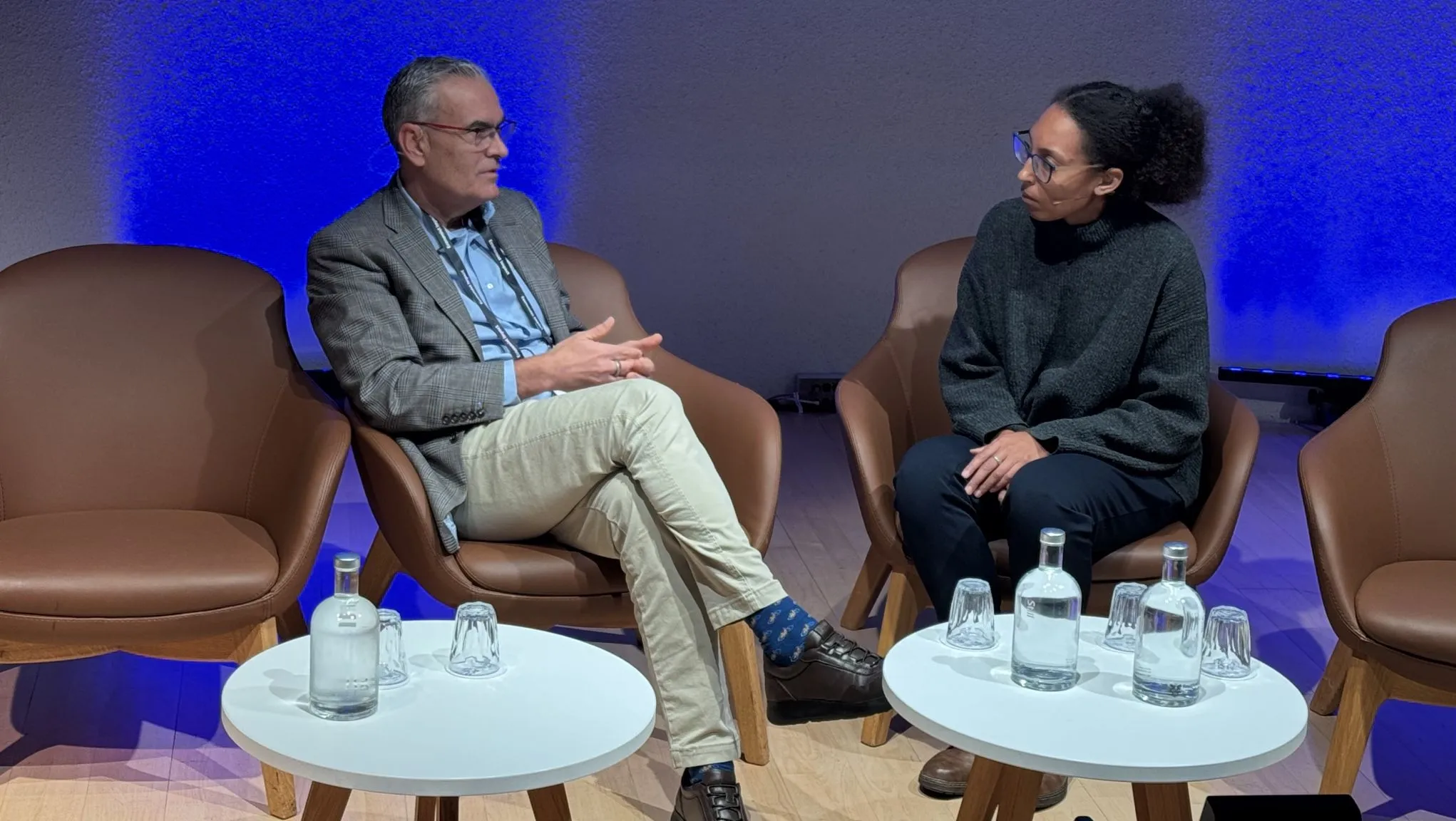
Drawing on insights from Economist Impact’s latest Health Inclusivity Index, supported by Haleon, we’re using findings – like the need for stronger health literacy and equitable access – to inform conversations with industry leaders and policymakers.1 Earlier this year, these themes were central to discussions at The Economist Future of Health Summit, where Brian McNamara, CEO at Haleon, urged policymakers to see health inclusion as an investment into stronger economies and societies rather than as a cost. He also emphasised the need to address health conditions that usually go untreated, such as anaemia, the most common deficiency in the world, affecting 37% of pregnant women and 30% of women of reproductive age.2
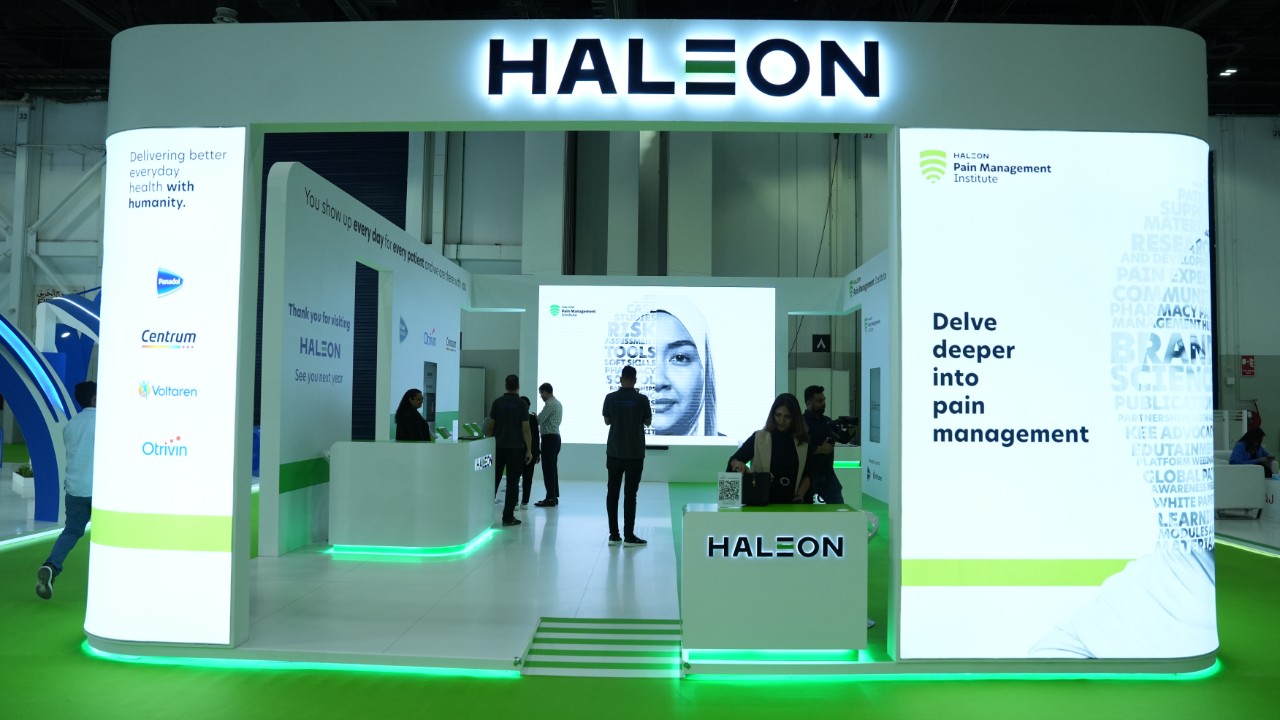
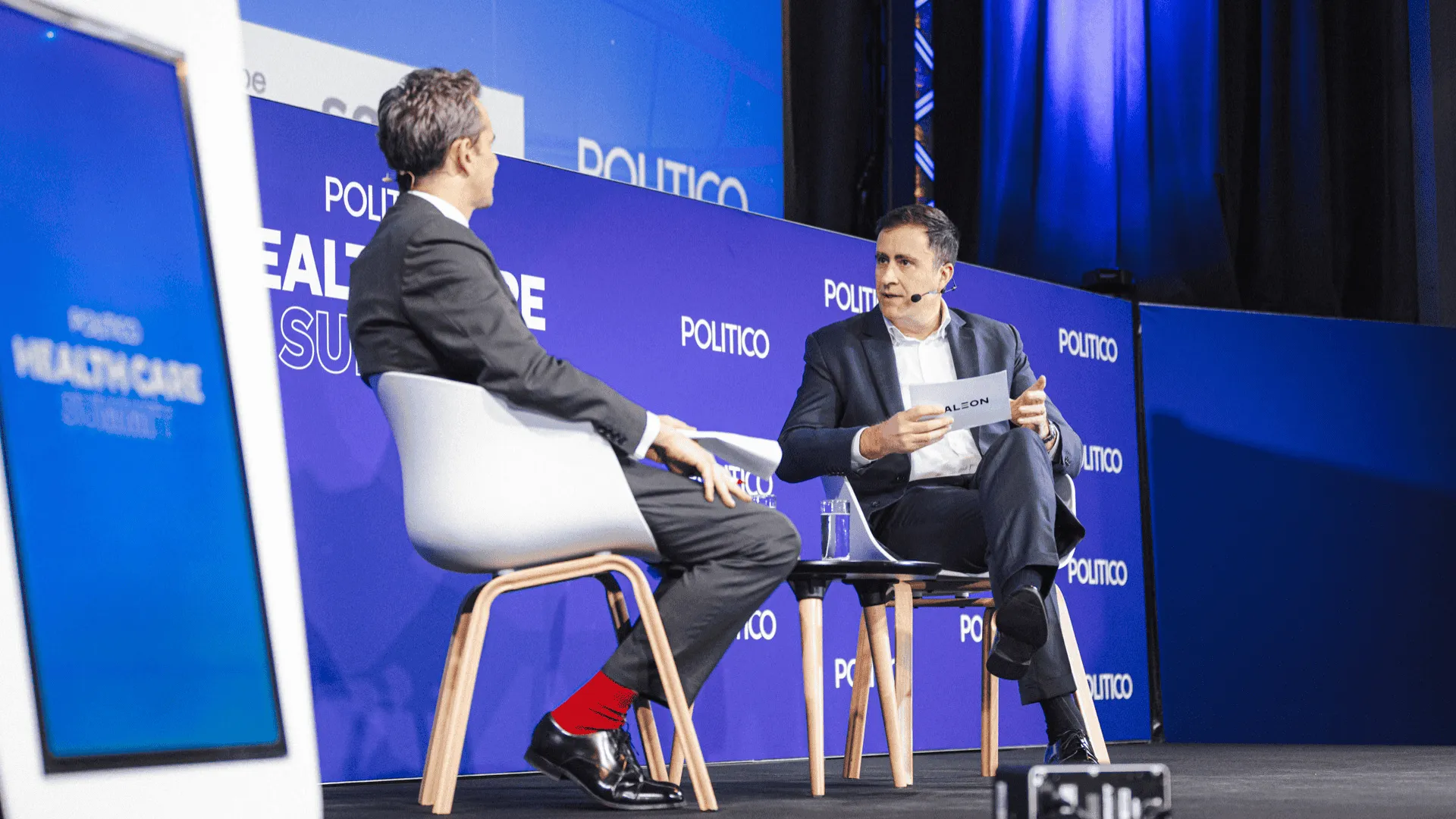
In November 2025, we were proud to be a lead partner at the POLITICO Health Care Summit in Brussels. From sparking conversations to challenging misconceptions at our interactive booth, the Haleon team championed the vital role of our brands – reaching 200 million people across EU markets – in easing pressure on overstretched systems across the region.
At the event, Filippo Lanzi, President of EMEA and LatAm at Haleon, reinforced the critical role of self-care in Europe’s health agenda, highlighting that without OTC medicines, each GP would need to work an extra 2.4 hours every day.3 Jayant Singh, Head of Global Oral Health at Haleon, also brought this to life through the lens of oral health, highlighting how barriers in health literacy and access prevent people from taking control of their own health. Together, they both made compelling cases for embedding self-care as the core pillar of health prevention.

Health system pressures are not felt equally. Inequalities mean underserved communities face greater barriers to care. On the sidelines of the United Nations General Assembly, Adam Sisson, Head of R&D for Oral Health, joined Devex on a panel to champion the importance of oral health being formally recognised in the Political Declaration on Non-Communicable Diseases (NCDs) and Mental Health. He showcased how our meaningful brands and public-private partnerships are empowering people to take control of their everyday health and helping close the incidence-treatment gap.
Take a look:
The pressures on health systems are immense, but solutions start with prevention, health literacy and inclusivity. Globally, there is a major opportunity to modernise regulations so people can access better everyday health products more easily and quickly. That’s why we’re collaborating for impact - shaping a healthier future together by putting self-care at the heart of better everyday health.


1Economist Impact, “Health Inclusivity Index,” [Online]. Available: https://impact.economist.com/projects/health-inclusivity-index?i=3
2Ibid.
3AESGP , “ Self-care in Europe: economic and social impact on individuals and society,” 2021.
Related