Lorem ipsum

Contraer la navegación.
Lorem ipsum

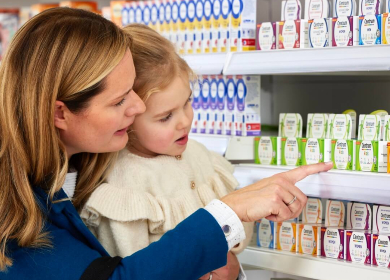
The value of preventive self-care is clear, but I believe one fundamental challenge remains: too many people still lack confidence in managing their own health.
In Europe, 8 in 10 people say they feel responsible for managing their health, yet only 2 in 10 feel confident doing so. Closing this gap is critical, which is why initiatives that build awareness and understanding of self-care matter. While International Self-Care Month and International Self-Care Day in July help focus attention on this challenge, building people’s confidence to practise self-care should be a year-round priority.
Self-care is not just about treating minor symptoms. It is about simple, consistent actions that help people prevent more serious illness, manage symptoms earlier and stay well - from brushing twice daily with fluoride toothpaste, which can reduce tooth decay by around 24%, to supporting digestive health, taking multivitamins to fill gaps in nutrition, and acting on pain early.
At scale, the benefits are significant. The latest research from the Global Self-Care Federation shows that self-care practices generate around $144 billion in savings, including through avoidable physician visits and the cost of prescription medicines. Giving people the tools to manage their own health has also added 24 million high-quality years of life globally and saved more than 43.6 billion productive days – showing the social and economic value of self-care.

For me, this lack of confidence is one of the biggest missed opportunities in global health. People are surrounded by health information, but too often lack the trusted guidance, tools and support to know what is safe, effective and right for them.
To unlock the full value of preventive self-care, policy and industry action must help people turn intention into action:
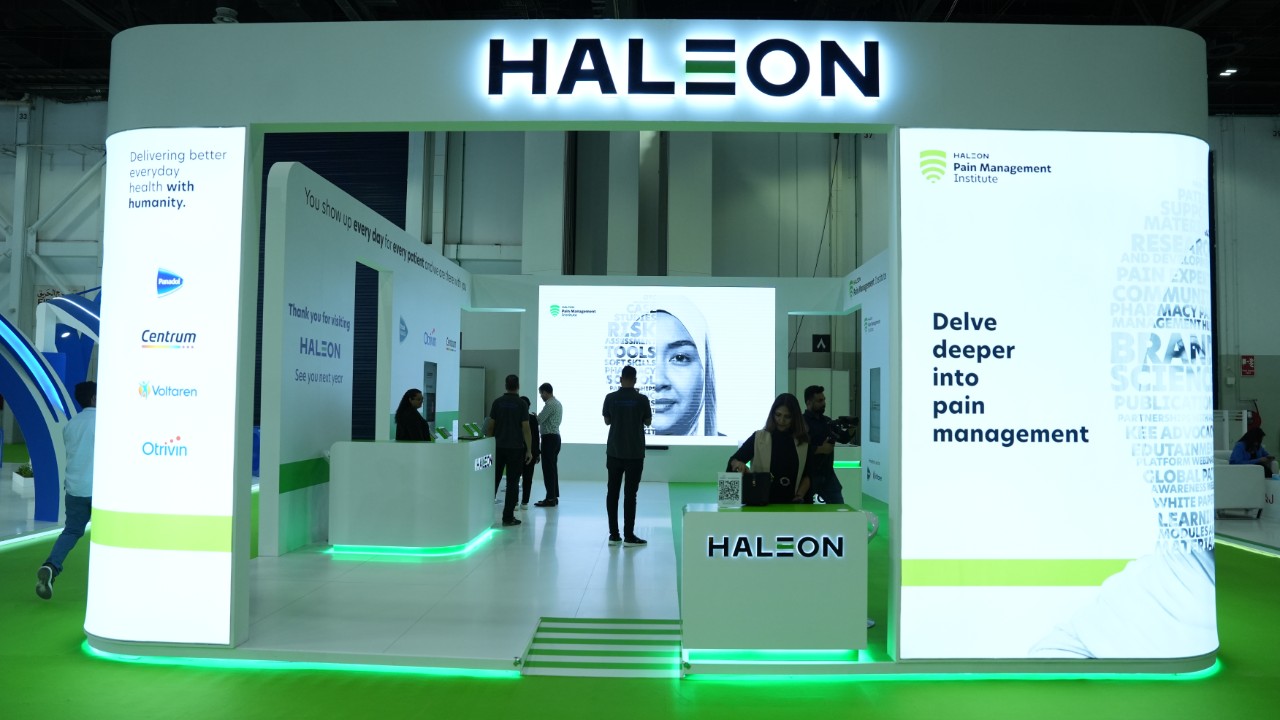
As a consumer company focused solely on better everyday health, Haleon has a clear role in making self-care easier to understand, access and practise.
Our trusted, science-backed brands – such as Sensodyne, Voltaren, Otrivin and Centrum - are used by more than one billion people worldwide, and we aim to reach a billion more by 2030. They help make prevention part of daily life: building oral health habits, helping people manage pain earlier, supporting respiratory health and bringing vitamins within reach for more consumers.
Haleon is focusing our efforts on the barriers where we can make the greatest difference:
Preventive self-care can improve health outcomes at scale, but its potential depends on giving people the knowledge, access and confidence to act.
The opportunity now is to make self-care a more integral part of health. That requires collective effort from policymakers, healthcare professionals, NGOs and industry to improve health literacy, expand access to trusted health solutions and empower people to take a more active role in managing their health.
As health systems face growing pressure, prevention must play a bigger role in improving outcomes and building resilience. Self-care is not a substitute for professional healthcare, but it can help people manage everyday health and make more informed decisions about when and how to seek care.
By making self-care simpler, more accessible and more inclusive, we can empower more people to take greater control of their health. The result is healthier populations, more sustainable health systems and better outcomes for society.
Now is the time for health leaders, policymakers and industry to recognise self-care as a core pillar of prevention - and act together to make it part of how health is understood, supported and delivered.

Related